Collaborative simulation (Co-simulation) refers to integrating multiple different simulation tools or models from different fields, achieving overall dynamic analysis of complex systems through data exchange and coupling solution. In the design of regulating valves, it usually involves multiple disciplines such as fluid mechanics, structural mechanics, thermodynamics, and control theory. Therefore, the use of collaborative simulation methods can more comprehensively simulate the operating state of regulating valves in actual working environments.
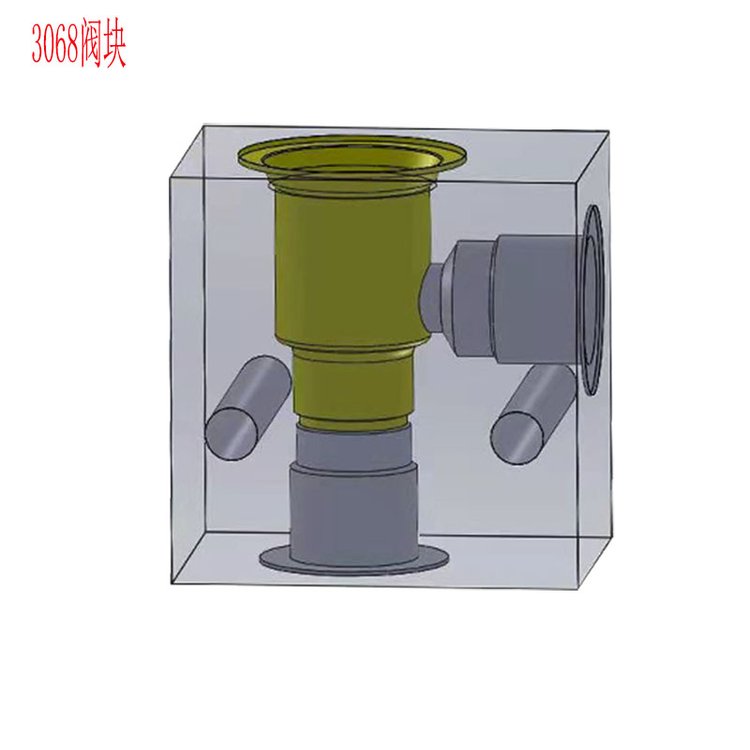
Firstly, in terms of fluid dynamics, the internal flow characteristics of the regulating valve are simulated using CFD (Computational Fluid Dynamics) software, analyzing fluid pressure, velocity distribution, and phenomena such as cavitation and flashing. Secondly, in terms of structural mechanics, finite element analysis (FEA) tools are used to evaluate the stress and strain conditions of the valve body, valve core, and valve seat under high pressure differences, ensuring that the structural strength and fatigue life meet the requirements. At
the same time, the simulation of the control system is indispensable. Through Simulink or other control simulation platforms, the response characteristics of the actuator are modeled and linked with the main control system for co-test.
The key to collaborative simulation lies in the data interface and coupling mechanism between different simulation platforms. For example, importing fluid loads calculated by CFD into FEA models as boundary conditions, or feeding back control system output signals to the actuator model, thus forming a closed-loop simulation. This
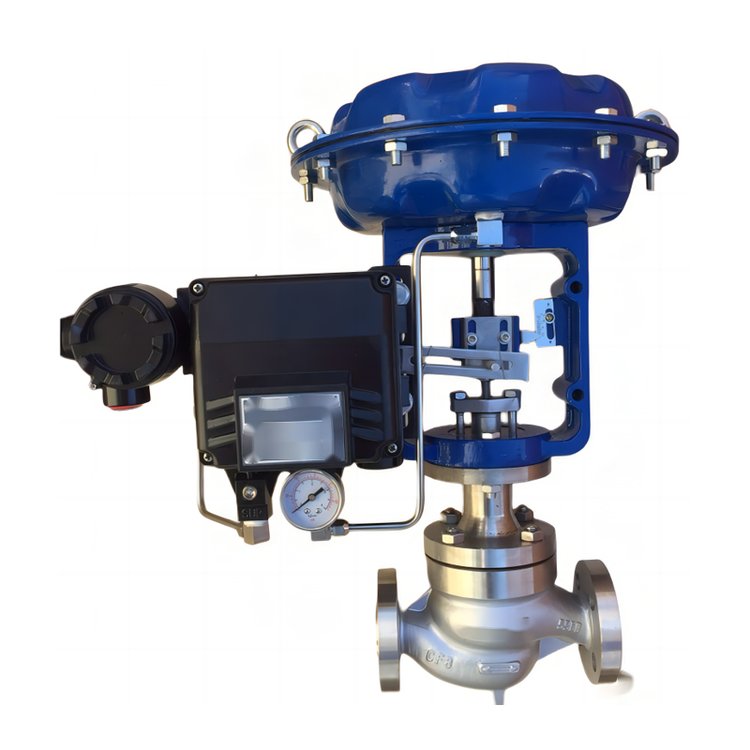
multi-disciplinary collaborative simulation method can more realistically reflect the dynamic behavior
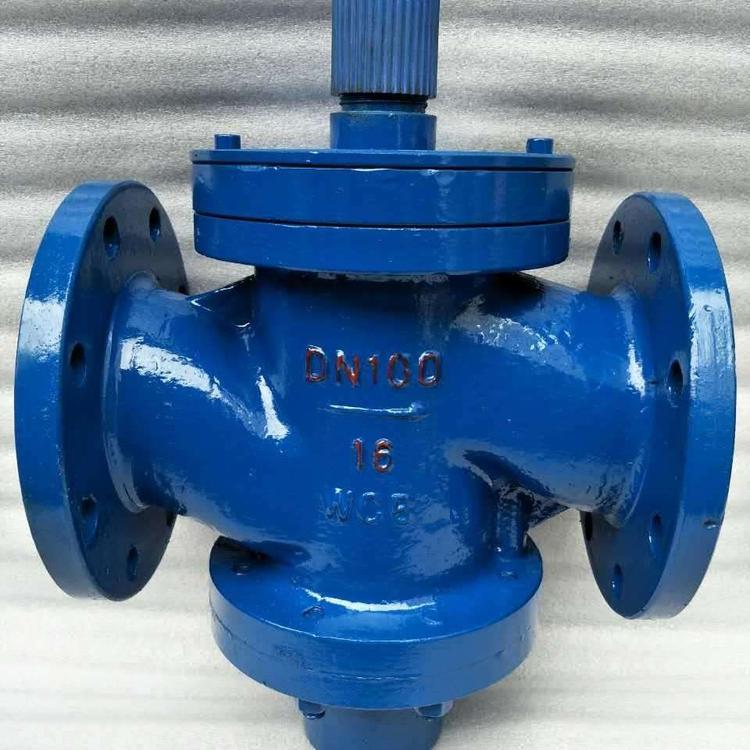
of regulating valves in actual operation,
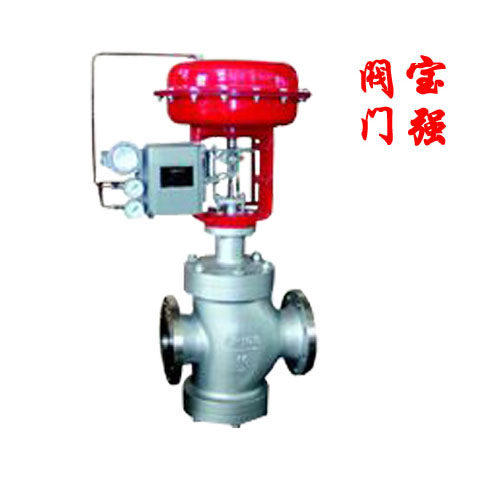
providing strong support for design optimization.
In addition, collaborative simulation can shorten the product development cycle, reduce testing costs, and improve the reliability and safety of the system. By simulating tests under different operating conditions, engineers can identify potential problems at the design stage and make early optimization adjustments.
In summary, the collaborative simulation of the regulating valve mechanical system not only improves the efficiency and quality of design, but also lays a solid foundation for the realization of intelligent and high-reliability industrial control systems. In the future, with the further integration of digital twin technology and artificial intelligence, the collaborative simulation of regulating valves will develop towards higher precision and broader dimensions.