Firstly, maintaining the cleanliness of medical regulating valves must start with daily maintenance. Medical institutions should establish a complete equipment cleaning
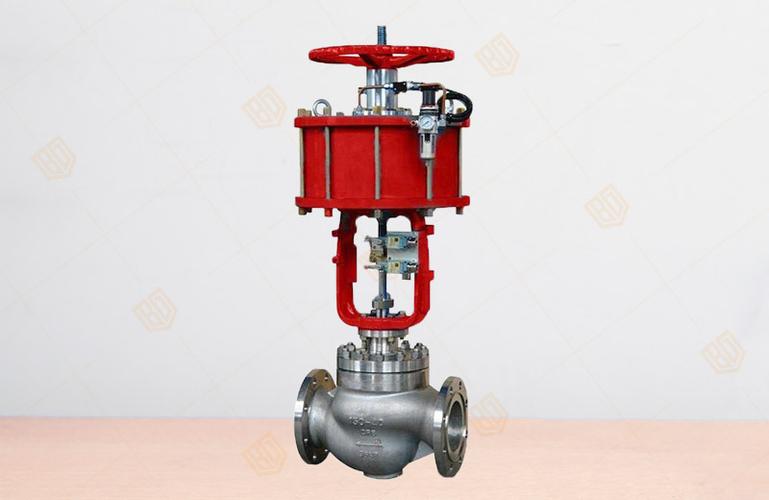
and maintenance system, conduct regular inspections and cleaning of regulating valves. After each use, the regulating valve should be initially cleaned according to the operational specifications, removing visible dirt and residues. For example, use physiological saline to flush the pipes, and then wipe the surface with medical alcohol or a mild disinfectant to prevent bacterial growth.
Secondly, choosing the appropriate cleaning and disinfection methods is crucial. According to the material and structure of the regulating valve, different cleaning strategies should be adopted. For metal regulating valves, high-pressure steam sterilization or ethylene oxide gas disinfection can be used; for plastic or rubber components, high temperature and high pressure should be avoided to prevent material aging or deformation. In addition, in recent years, ultrasonic cleaning technology has been widely used in the cleaning of medical devices, and its efficient and thorough cleaning ability is particularly suitable for regulating valves with complex structures and difficult to clean by hand.
Again, the training of professionals and the implementation of operational specifications cannot be ignored. The disassembly, cleaning, and installation process of regulating valves requires operation by technicians with professional training and must be carried out strictly according to the manufacturer's operation manual. Improper operation not only affects the cleaning effect but may also damage the valve structure, affecting its subsequent use.
In addition, at the design level, manufacturers should also pay attention to the ease of cleaning of regulating valves. For example, modular design facilitates disassembly and cleaning; the use of antimicrobial materials reduces the possibility of bacterial adhesion; and the optimization of internal structure reduces the risk of dead corners and liquid accumulation. These measures can improve the cleanliness level of regulating valves from the source.
Finally, it is equally important to establish and improve a monitoring mechanism. Hospitals should regularly conduct microbial testing and functional testing on regulating valves to ensure their safety and effectiveness during
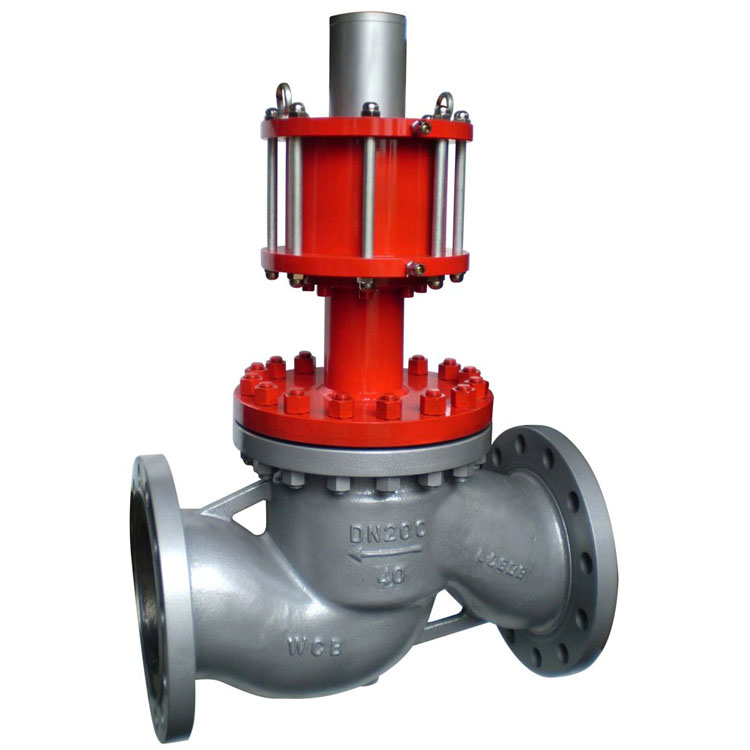
use. In case of any abnormalities, they should be replaced or repaired in a timely manner to prevent cross-infection or treatment failure caused by valve contamination.
In summary, the cleanliness of medical regulating valves is not only related to the performance and service life of the equipment itself, but also directly affects the effectiveness of patient treatment and safety of life. Only through a combination of standardized operations, scientific cleaning, strict management, and technological innovation can we truly achieve the safety and cleanliness of medical regulating valves, providing a solid guarantee for modern medical care.