The compression system plays a crucial role in industrial production, energy transmission, refrigeration and air conditioning, and other fields. Whether it is an air compression system, natural gas compression system, or refrigeration compression system, its stable operation is directly related to equipment efficiency, energy consumption control, and production safety. Therefore, studying the stability of the compression system has important practical significance.
The stability of the compression system is mainly reflected in the smooth control of key parameters such as pressure, temperature, and flow rate. To achieve stable operation of the system, it is necessary to start from the following aspects:
I. Rational System Structure Design
A stable compression system should first have a scientifically and reasonably designed structure. This includes compressor selection, pipeline layout, and cooling system configuration. System design should fully consider the properties of the working medium, flow requirements, environmental temperature, and other factors to avoid instability in operation due to design defects. For example, if the pipeline diameter is not properly selected during gas transportation, it may lead to excessive air flow velocity, causing vibration and pressure fluctuations.
II. Optimize Control Systems
Modern compression systems commonly use automated control systems for operation management. Through PLC (Programmable Logic Controller) or DCS (Distributed Control System), the start-up and shutdown of compressors, load regulation, and fault warning are realized with intelligent control, which helps maintain the stable state of the system. For example, using a variable frequency drive to adjust the speed of the compressor can dynamically adjust the output according to actual needs, avoiding pressure fluctuations caused by frequent start-ups and shutdowns.
III. Strengthen Equipment Maintenance and Monitoring
Regular inspection and maintenance of the equipment are crucial for ensuring the stability of the compression system. Issues such as bearing wear, seal failure, and impeller scaling can cause vibration or efficiency decline. By means of vibration analysis, oil fluid monitoring, and infrared thermal imaging, potential hazards can be detected in advance, avoiding sudden failures that lead to system shutdown or unstable operation.
IV. Control of
Intake
and Exhaust Conditions
The intake quality of the compression system directly affects its operational
stability. It should be ensured that the intake is clean and the temperature is appropriate to prevent impurities from blocking the filter mesh or excessive humidity from affecting the compression efficiency. At the same time, the exhaust end should be
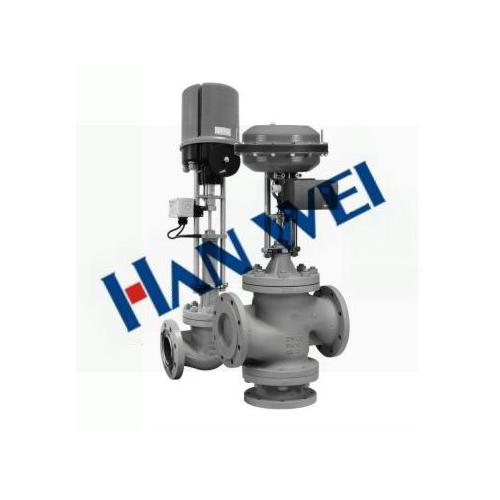
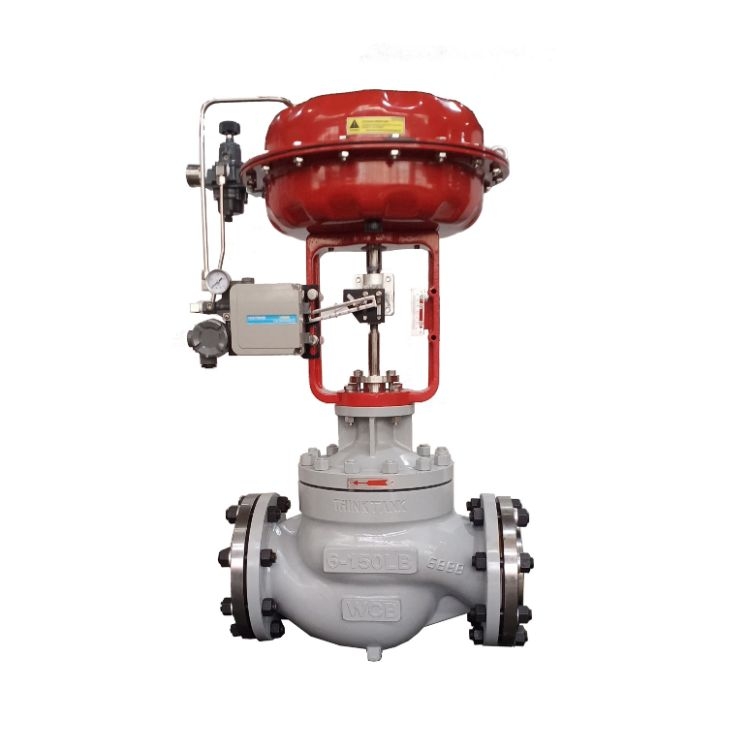
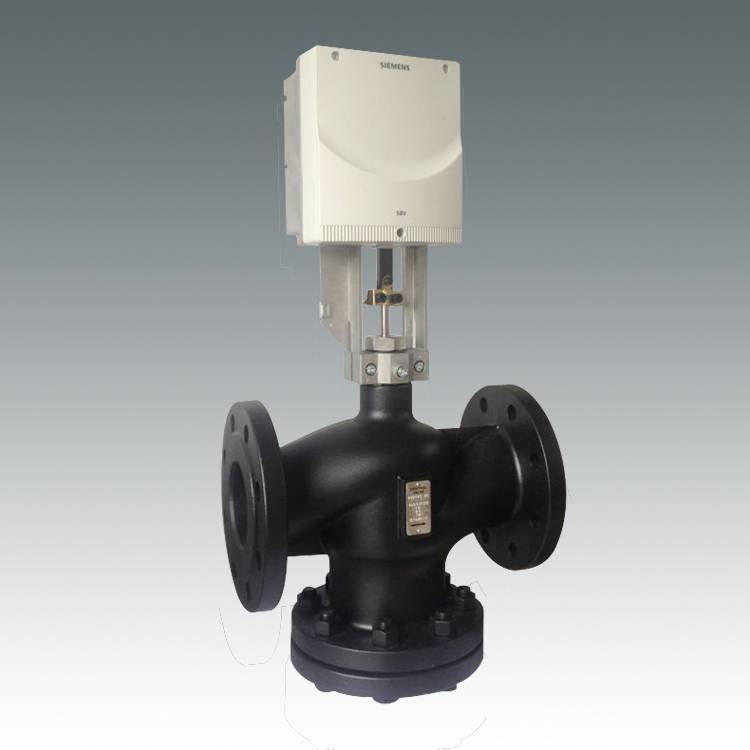
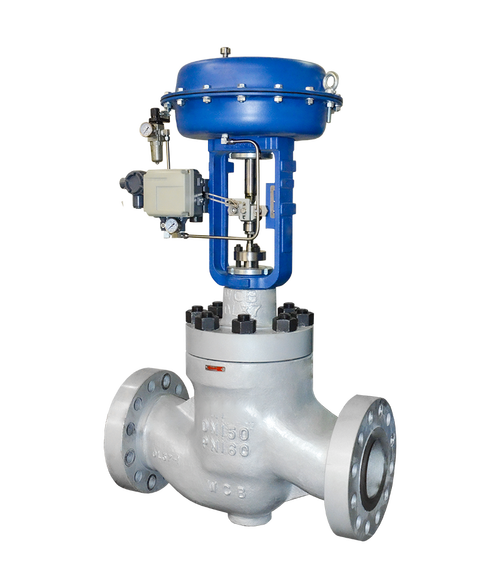
equipped with appropriate buffer tanks and pressure regulating valves to stabilize the output pressure and reduce fluctuations.
V. Consideration of Environmental Adaptability
When the compression system operates under different environmental conditions, external factors such as temperature, humidity, and altitude may affect its performance. Therefore, environmental variables should be considered in system design and operation, and corresponding protective and adjustment measures should be taken to ensure that the system can maintain stability under various working conditions.
In summary, the stable operation of the compression system is a systematic project that requires comprehensive consideration from multiple aspects, including structural design, automatic control, daily maintenance, process parameter control, and environmental adaptability. Only through scientific management and technical optimization can the reliability and stability of the compression system be effectively improved, thereby ensuring the efficient and safe operation of the entire production process.