I. Selecting Materials Based on Medium Characteristics
Different media have different corrosiveness to valve materials. For example, carbon steel or cast iron valves can be selected for water systems; while for highly corrosive media (such as acids, alkalis, or salt solutions), stainless steel, Hastelloy, or other corrosion-resistant alloy materials should be chosen. When transporting natural gas or petroleum gas containing hydrogen sulfide, materials with anti-hydrogen sulfide stress corrosion resistance should be selected; in high-temperature steam systems, it is recommended to use heat-resistant steel or alloy steel valves.
II. Considering the Influence of Working Temperature
The material's temperature resistance is an important basis for selecting valve materials. In low-temperature environments (such as liquid nitrogen systems), materials with good low-temperature toughness, such as austenitic stainless steel, should be selected; while under high-temperature conditions (such as boiler systems), Cr-Mo steel or high-temperature alloy steel should be selected to ensure that valves still have good mechanical properties and sealing performance at high temperatures.
III. Pressure Class and Mechanical Strength Requirements
High-pressure systems have high strength requirements for valves, usually using forgings, which can be made of carbon steel, low-alloy steel, or stainless steel forgings. In low-pressure systems, castings are more common due to their lower cost. Under high-pressure, high-temperature, or severe alternating load conditions, forged structures should be prioritized to improve the reliability of valves.
IV. Economy and Processability
In addition to performance requirements, the cost and processing difficulty of materials are also factors that must be considered during material selection. Under the premise of meeting the use requirements, it is recommended to select materials that are reasonably priced, easy to purchase and process. For example, in normal temperature, pressure, and non-corrosive environments, cast iron or ordinary carbon steel is sufficient to meet the requirements, and there is no need to select expensive special alloys.
V. Requirements for Environmental Protection and Sustainable
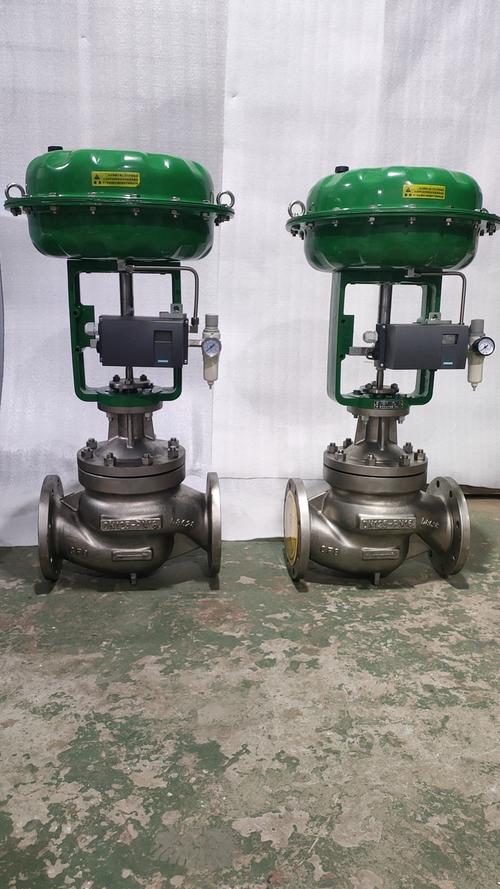
Development
With the increasingly strict environmental protection regulations, some industries have put forward requirements for non-toxic and harmless materials, especially in food, pharmaceutical, and drinking water systems, where the valve materials used must meet relevant hygiene standards, such as food-grade stainless steel.
Conclusion
In summary, the selection of valve materials is a systematic project involving many aspects such as medium properties, temperature and pressure, economic cost, and environmental protection requirements. Only by scientifically selecting materials based on actual working conditions can the service life of valves be effectively extended and the safety and economy of system operation be improved. During the process of engineering design and equipment selection, it is recommended to combine the specific application environment, refer to relevant standards and specifications, and consult professional technical personnel when necessary to ensure the rationality and advancement of material selection.